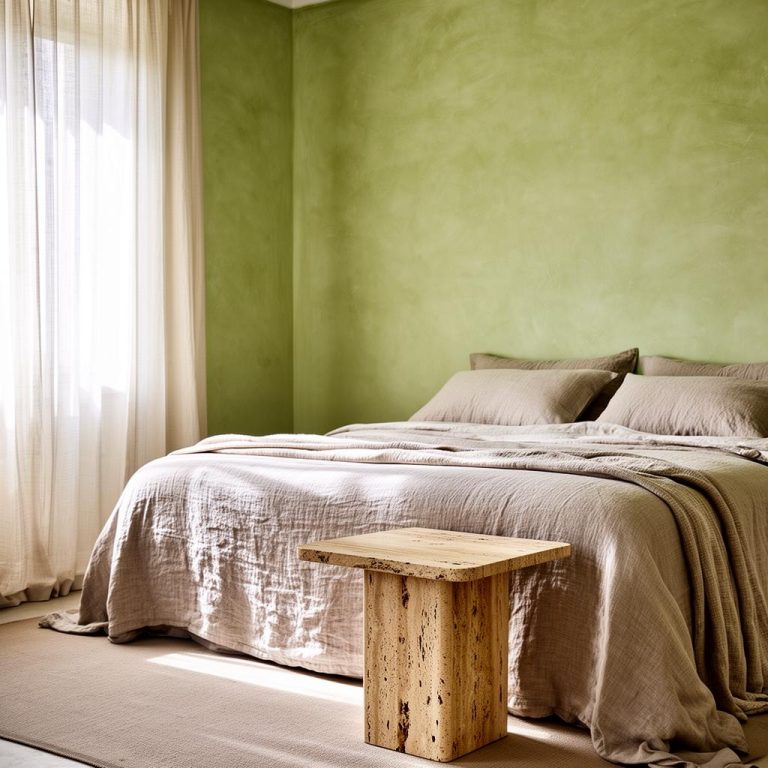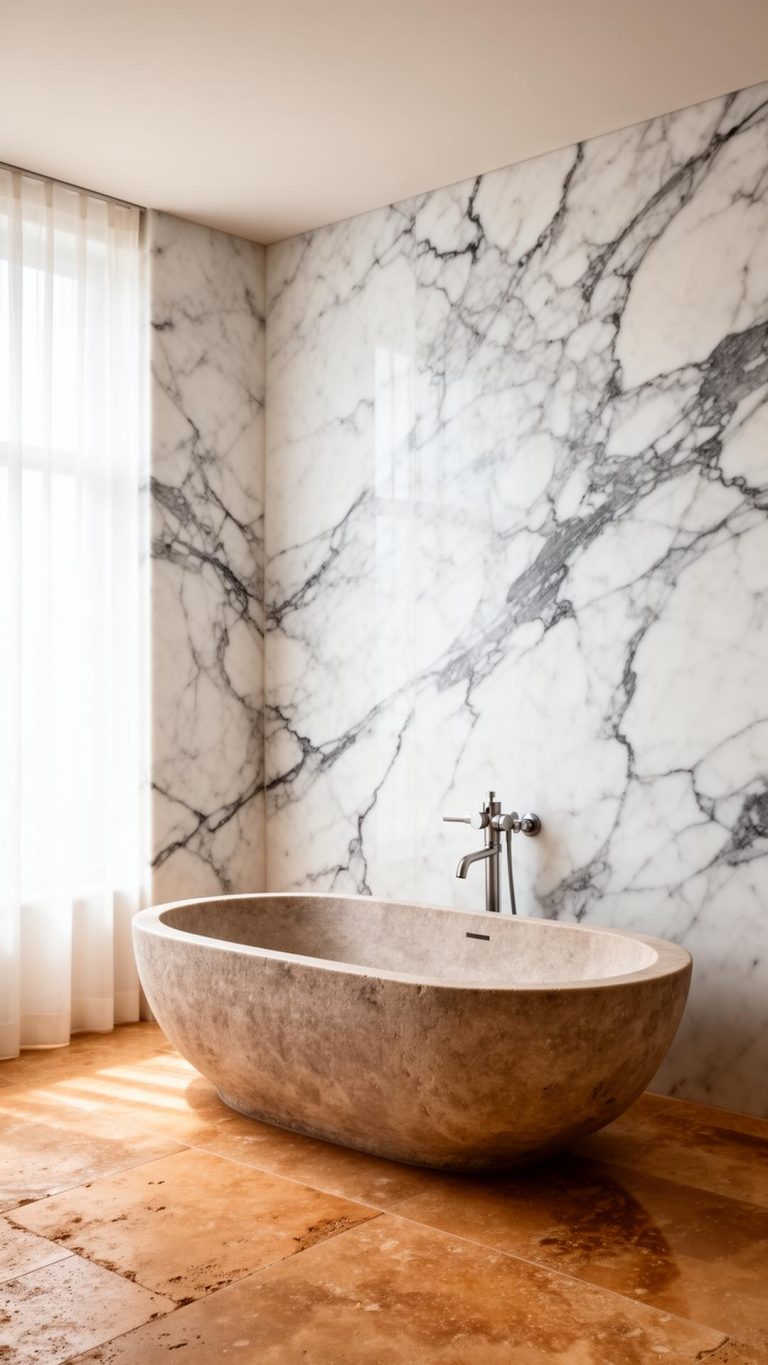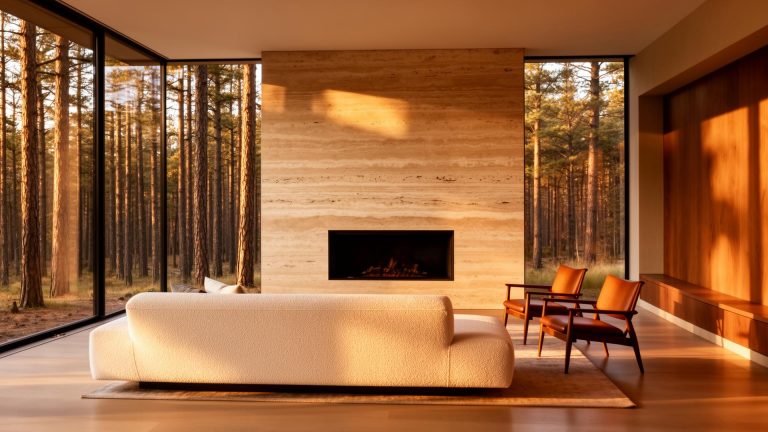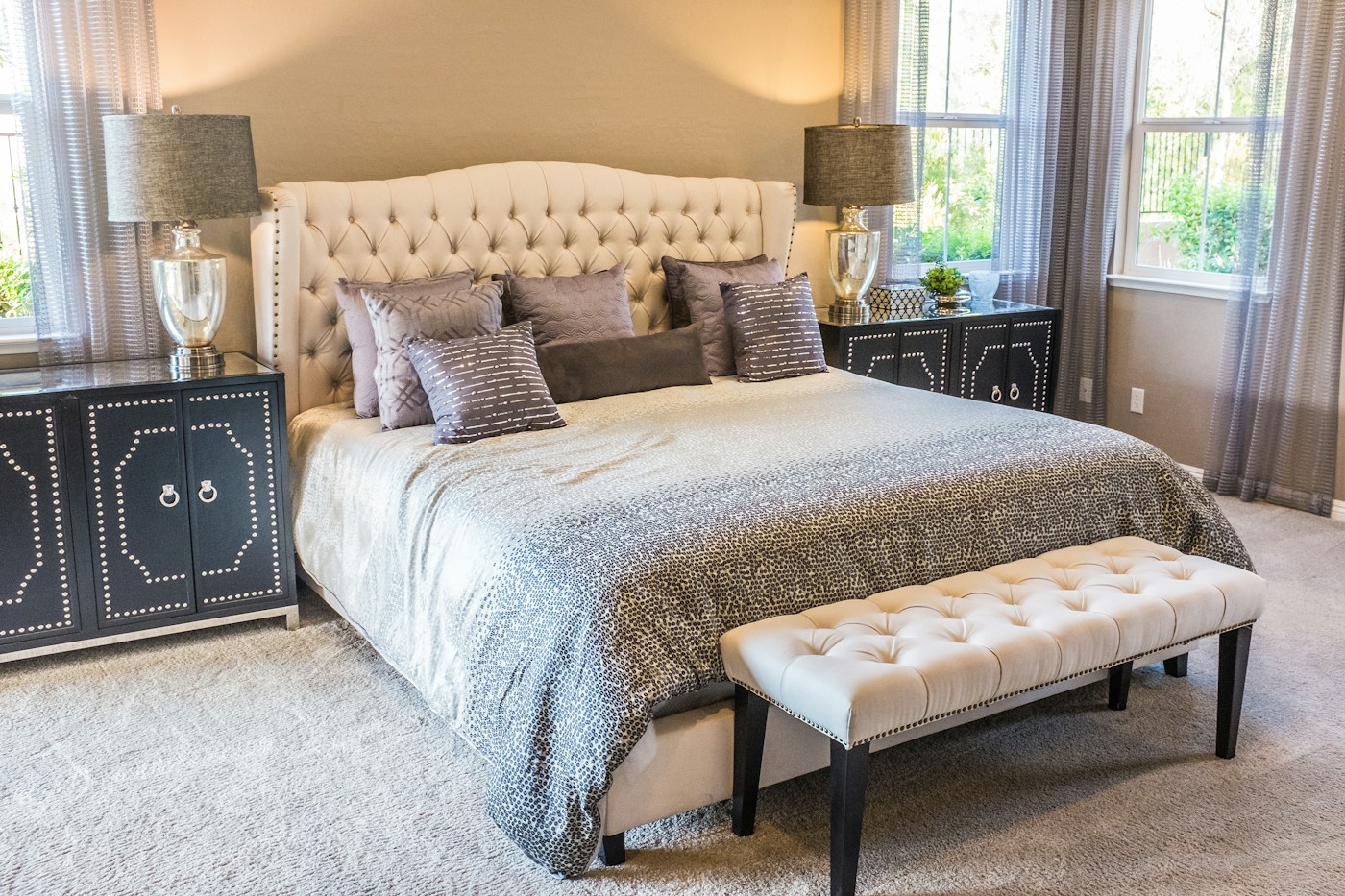
Home staging that actually helps a house sell faster does three things: it depersonalizes so buyers can imagine themselves living there, it highlights each room’s primary function so the layout reads at a glance, and it makes the home photograph well because most buyers fall in love with the listing photos before they walk through the door.
The order that matters: photos first, walkthrough second
Stage for the camera, not the open house. Wide-angle real-estate photos flatten color and exaggerate clutter, so a room that looks fine in person can look chaotic online.
Step 1: Cut everything personal
Family photos, name plaques, fridge magnets, religious art, sports memorabilia — pack it. Buyers can’t picture themselves in your home while they’re staring at you in it.
Step 2: Make the room’s function obvious
Every room should answer one question instantly: what is this room for? Spare bedrooms used as junk-storage should be staged as guest rooms or offices.
Step 3: Boost curb appeal before anything inside
Most buyers do a quick drive-by before booking a tour. If the exterior fails the drive-by, the inside doesn’t matter.
Step 4: Stage the high-ROI rooms hardest
Not every room is worth the same effort. Spend first on the living room, then the kitchen, primary bedroom, primary bathroom, and outdoor space.
Step 5: Neutralize, but don’t sterilize
Neutral walls sell faster than bold ones. But neutral doesn’t mean empty — add texture and let one quiet detail in each room do the talking.
The 7 home staging mistakes that cost real offers
Over-staging, hyper-personal style, skipping the smell, bad lighting, furniture too big for the room, curtains that stop above the floor, and ignoring the listing photos.